
Table of Contents
- The Science Behind Why Premium Kitchenware Lasts Longer
- Stainless Steel vs. Nonstick vs. Cast Iron: What Actually Lasts
- Best Kitchen Tools for Daily Cooking That Stand the Test of Time
- How to Maintain Stainless Steel Cookware and Other Premium Materials
- Signs It Is Time to Replace Your Pots and Pans
- The Hidden Cost of Cheap Cookware vs. Long-Term Value
- Lifetime Warranties and What They Actually Protect
- Frequently Asked Questions
Last Updated: September 1, 2026
The Science Behind Why Premium Kitchenware Lasts Longer
Premium kitchenware lasts longer because of superior material composition, construction methods, and thermal properties that resist degradation over time. The difference comes down to three core factors: the purity and grade of materials used, the precision of manufacturing, and design choices that prevent common failure modes. A premium pan maintains its performance for years of daily use while cheaper pans warp, scratch, and lose their nonstick coating within months.
At CrispNest, we've curated a selection of premium kitchen tools specifically chosen for their durability and long-term value. Understanding why premium kitchenware lasts longer helps you make informed purchasing decisions.

Material Composition and Thermal Conductivity
Premium stainless steel contains higher percentages of chromium and nickel, providing superior corrosion resistance compared to budget alternatives (astm.org). Thermal conductivity, how efficiently heat moves through the material, directly impacts durability. Materials with better thermal conductivity distribute heat evenly, preventing hot spots that cause warping and uneven cooking.
The molecular structure of premium materials also matters. High-quality stainless steel and hard-anodized aluminum have tightly bonded atomic structures that resist surface degradation, while budget materials break down faster under thermal stress.
Multi-Ply Construction and Bonding
Premium cookware uses multi-ply construction, multiple layers of different materials bonded together, to achieve superior performance and durability. A typical premium pan might have five layers: stainless steel exterior, aluminum core, copper layer, aluminum base, and stainless steel interior.
Premium manufacturers use metallurgical bonding techniques that create permanent molecular connections between layers, while budget cookware often uses mechanical bonding or weaker adhesives that separate over time. When layers delaminate, the cookware becomes unusable as heat distribution fails and the pan warps unpredictably.
Premium cookware also uses heavier gauges of material throughout, providing more thermal mass and better resistance to warping. A premium stainless steel pan might have a 3mm base while a budget option has 1.5mm, a difference that compounds over thousands of cooking cycles.
Stainless Steel vs. Nonstick vs. Cast Iron: What Actually Lasts
Different cookware materials have different durability profiles. Understanding the trade-offs helps you choose pieces that will actually last in your kitchen.
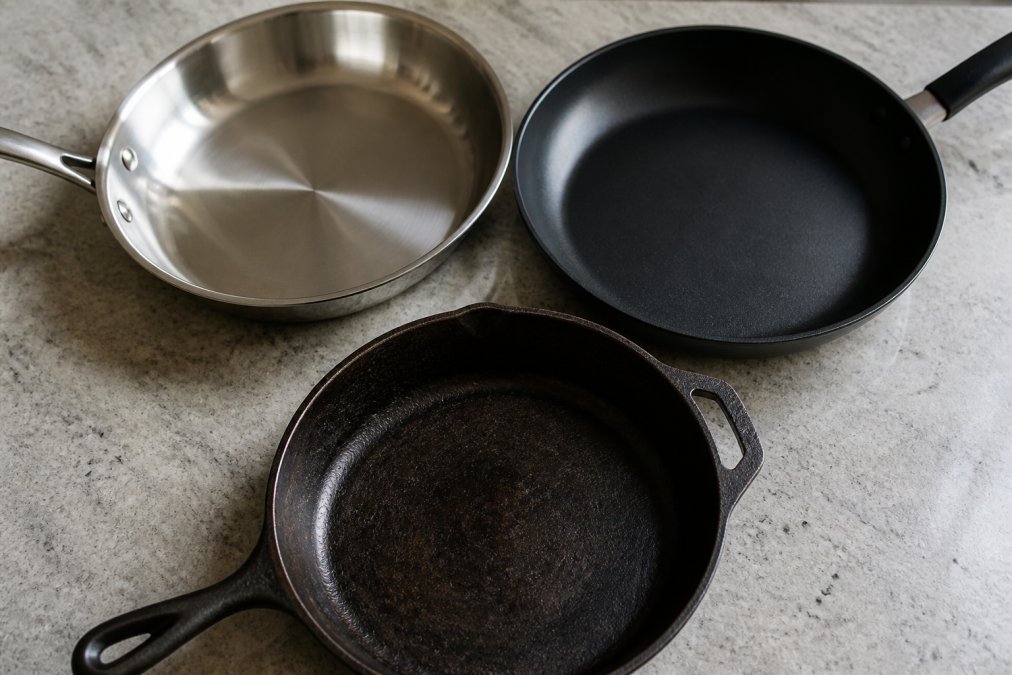
Stainless Steel Durability and Corrosion Resistance
Stainless steel is the most durable cookware material for most home cooks. The chromium forms a protective oxide layer that prevents rust and corrosion, allowing premium stainless steel cookware to last 20-30 years or longer with proper care (peer-reviewed research). Premium grades (18/10 stainless steel) resist staining, pitting, and rust far better than budget grades and won't degrade from heat cycling the way nonstick coatings do.
Stainless steel requires proper maintenance, mineral deposits from hard water can stain the surface, though this is purely cosmetic. Acidic foods won't damage stainless steel, though they may cause minor discoloration that polishes out easily.
The CrispNest pressure cooker in stainless steel exemplifies this durability. Built with premium-grade material and multi-ply construction, it's designed to handle years of high-pressure cooking without degrading.

Nonstick Coating Degradation Over Time
All nonstick coatings eventually degrade. Premium nonstick coatings use multiple layers of high-quality PTFE or ceramic applied with precision bonding, while budget coatings use thin, poorly-bonded layers that begin flaking within months.
Heat cycling accelerates nonstick degradation as the coating expands and contracts at a different rate than the underlying metal. After hundreds of cycles, this stress causes the coating to separate and flake. Scratches also accelerate failure, premium coatings are more scratch-resistant because they're thicker and more durable, while budget coatings scratch easily, exposing the underlying metal.
Even with careful use, budget nonstick cookware rarely lasts more than 2-3 years. The hidden cost is that you'll replace it multiple times over the lifespan of a single premium stainless steel pan.
Cast Iron: The Heirloom Option
Cast iron is unique because it improves with age. A well-maintained cast iron pan can last 100+ years, literally passed down through generations (smithsonianmag.com). Iron is extremely hard and won't degrade from heat cycling. The patina, the dark, seasoned layer that builds up over time, actually protects the iron from rust and improves nonstick properties.
The CrispNest cast iron egg frying pan demonstrates this principle. Made from heavy-duty cast iron with a thick bottom, it's designed for fast, even heating and decades of use. Cast iron requires regular seasoning to maintain the protective patina and can rust if left wet, but for cooks willing to invest in proper care, it offers unmatched longevity.
Best Kitchen Tools for Daily Cooking That Stand the Test of Time
Invest in a core set of multi-purpose pieces rather than a sprawling collection of single-use gadgets. A premium 10-inch stainless steel skillet, a 3-quart saucepan, and an 8-quart stock pot cover 80% of home cooking tasks and will last decades if you choose quality.
Premium stainless steel utensils like the CrispNest rainbow kitchen tools set won't bend, break, or degrade like cheap silicone or plastic alternatives. A single premium chef's knife outperforms a block of cheap knives, holding its edge longer and lasting for decades.
Quality cookware improves your cooking through better heat distribution, more consistent results, and better handles that reduce fatigue.
How to Maintain Stainless Steel Cookware and Other Premium Materials
Proper maintenance separates cookware that lasts 5 years from cookware that lasts 25 years. Premium materials are forgiving, but they still require basic care.
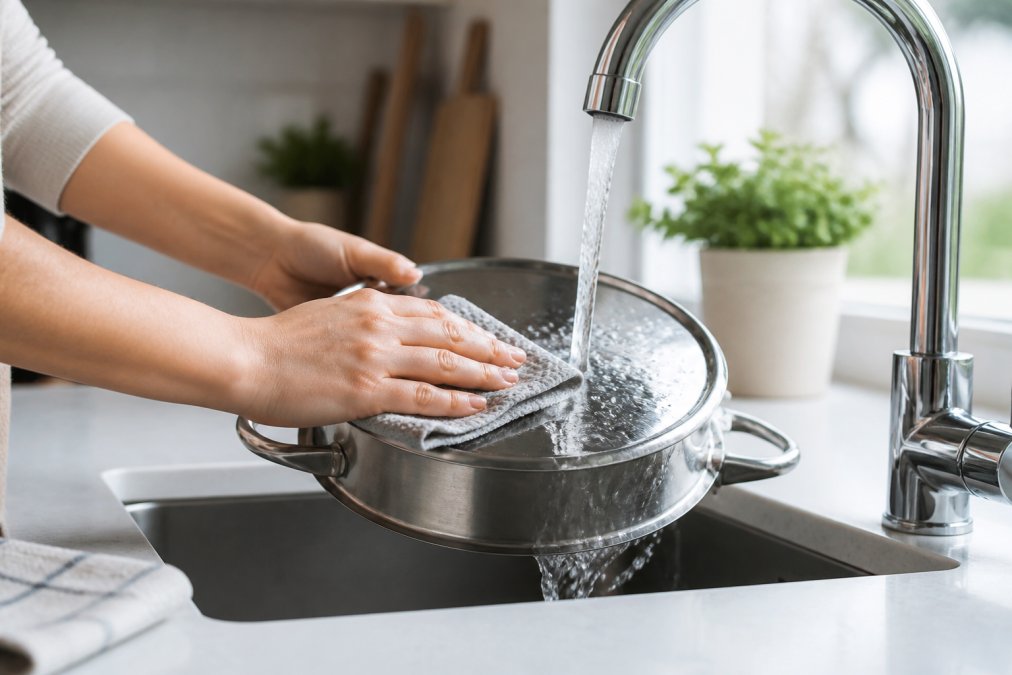
Hand-Washing vs. Dishwasher Safety
Hand-washing is the safest approach for premium cookware. The dishwasher's high temperatures, harsh detergents, and aggressive spray can accelerate degradation of handles, coatings, and bonded layers.
Stainless steel is technically dishwasher-safe, but hand-washing extends its life. Nonstick cookware should never go in the dishwasher, as harsh detergents and heat accelerate coating degradation. Cast iron should never go in the dishwasher, water and detergent will strip the seasoning and cause rust.

For all premium cookware, use soft cloths and avoid abrasive sponges. A soft cloth with warm soapy water cleans effectively without harm.
Preventing Heat Cycling Damage and Thermal Shock
Thermal shock, rapid temperature changes, is a major source of cookware degradation. Allow cookware to cool gradually before washing. Wait at least 10-15 minutes after cooking before exposing the pan to cool water.
Avoid preheating empty cookware at high temperatures. Preheat at medium heat with a small amount of oil or butter, which distributes heat more gradually. Premium cookware is engineered to handle normal heat cycling for decades through thick, multi-ply construction that distributes thermal stress across multiple layers.
Signs It Is Time to Replace Your Pots and Pans
Warping is a clear sign of structural failure. If a pan no longer sits flat on the burner, the metal has been damaged beyond repair. Nonstick coating failure, flaking or peeling, means the pan is no longer safe or functional. Delamination, when layers separate, is another end-of-life indicator.
Handles that are loose, cracked, or damaged should be replaced or repaired if possible. Rust on stainless steel is rare but indicates either very poor care or a defect. For cast iron, rust is reversible through seasoning and proper care.
Most premium cookware will outlast your interest in cooking with it. A well-maintained stainless steel pan from 20 years ago will still outperform a new budget pan today.
The Hidden Cost of Cheap Cookware vs. Long-Term Value
Cost-Per-Use Analysis: Premium Investment Pieces
A budget nonstick skillet might cost $25 and last 2 years with regular use, roughly $0.03 per use. A premium stainless steel skillet might cost $150 and last 25 years, roughly $0.016 per use. Over the long term, the premium option is cheaper per use.
A premium pan performs better throughout its life. A budget pan performs well for the first few months, then degrades steadily. By year two, the budget pan is heating unevenly, food sticks, and the nonstick coating is flaking.
The hidden costs of cheap cookware include replacing pans every 2-3 years, food quality suffering from uneven heating, and frustration with tools that don't work as intended. Premium cookware eliminates these hidden costs.
The CrispNest pressure cooker at $159.64 is a premium investment piece designed to last for years of regular use. Compared to budget pressure cookers that fail after a handful of uses, the long-term value is clear.
Environmental Impact: Durability Over Disposability
There's an environmental cost to disposable cookware that often goes unmentioned. Every budget pan that ends up in a landfill after 2-3 years represents wasted resources and pollution.
Premium cookware reduces waste by lasting 10-20 times longer than budget alternatives. Buying one premium pan instead of five budget pans over 20 years means significantly less material in landfills and less manufacturing pollution. Stainless steel is infinitely recyclable, at the end of its life, a premium stainless steel pan can be melted down and remade into new cookware.
From an environmental perspective, buying premium cookware is the responsible choice. Durability is the best form of sustainability.
Lifetime Warranties and What They Actually Protect
A typical lifetime warranty covers manufacturing defects, problems that exist from the moment the cookware is made, including delamination, structural defects, and handle failures caused by poor manufacturing.
What lifetime warranties typically don't cover: normal wear and tear from regular use, damage from misuse, thermal shock or warping from rapid temperature changes, and nonstick coating degradation from normal use. The warranty is essentially insurance against getting a defective pan.
Premium cookware manufacturers offer lifetime warranties because they're confident in their quality. A warranty is only valuable if the company is still in business to honor it, which is another advantage of buying from established brands.
Investing in premium kitchenware means choosing tools that perform better today and last for decades. Superior materials, better construction, and thoughtful design create cookware that resists the degradation that destroys budget alternatives. When you cook with premium cookware from CrispNest, you're using tools engineered to handle thousands of cooking sessions without losing their performance. Start with one premium piece and experience the difference that quality construction makes.
Frequently Asked Questions
What cookware brand lasts the longest?
Longevity depends more on material composition and construction than brand alone. Premium kitchenware with heavy-gauge stainless steel, multi-ply construction, and proper bonding techniques lasts 15-20+ years with proper care. Cast iron can last generations when seasoned and maintained correctly. Look for brands offering lifetime warranties and made with high-quality materials rather than relying on brand name alone.
How long should a set of cookware last?
Premium kitchenware typically lasts 15-20 years or more, while budget options often fail within 3-5 years. The difference comes down to thermal conductivity, multi-ply construction, and resistance to heat cycling damage. High-quality stainless steel pans resist warping and corrosion, while cast iron improves with age when properly seasoned. Cost-per-use analysis shows premium pieces become more economical over time.
Does premium cookware actually improve food quality?
Premium kitchenware improves cooking performance through superior thermal conductivity and heat distribution. Even heating prevents hot spots that burn food or leave cold areas. Quality stainless steel and hard-anodized materials provide better temperature control, while multi-ply construction ensures consistent results. Better cooking performance combined with durability makes premium cookware a practical investment for serious home cooks.
Why do professional chefs prefer stainless steel?
Professional chefs choose stainless steel for its corrosion resistance, durability, and superior heat distribution when constructed with multi-ply bonding. Stainless steel withstands repeated thermal shock and high-heat cooking without warping or degrading like nonstick coatings. Its warp resistance and ability to handle metal utensils make it ideal for busy kitchens. Premium stainless steel cookware maintains performance through years of intensive use.
This article was written using GrandRanker


