
Table of Contents
- What Makes Curated Home Goods Different
- Material Quality: The Foundation of Longevity
- How to Identify Durable Home Goods
- Fast Furniture vs Quality Decor: The Real Cost Difference
- Craftsmanship and Design Integrity
- Where to Buy High Quality Lifestyle Products Online
- The Lifecycle Cost Advantage
- Maintenance and Restoration: Extending the Life of Your Investments
Last Updated: August 22, 2026
What Makes Curated Home Goods Different
Curated home goods stand apart from mass-produced alternatives because they're chosen with purpose, built to perform, and designed to age gracefully. At CrispNest, we offer a thoughtfully curated selection of premium home, kitchen, beauty, fitness, and lifestyle products designed to make your everyday living easier, smarter, and more enjoyable. This isn't about owning more; it's about owning better.

Curated home goods feature superior materials, thoughtful design, and manufacturing processes that prioritize durability over cost reduction. A stainless steel kitchen faucet with proper engineering will function smoothly for decades, while a cheaper alternative might develop leaks within years. When you carefully select items for your space rather than impulse-buying, you're more likely to maintain them long-term, transforming your home into a curated environment that reflects your values and stands the test of time.
Material Quality: The Foundation of Longevity
Material selection is where the real story of durability begins. High-quality curated home goods prioritize materials engineered for performance and longevity over cheaper alternatives designed for quick replacement.
A wooden utensil set made from teak, like the 6-piece wooden utensils collection available at CrispNest, uses naturally durable hardwood that resists warping and doesn't degrade with repeated use. Teak contains natural oils that protect it from moisture and wear, compared to cheaper wooden utensils made from softer woods that splinter and deteriorate within months.

A 304-grade stainless steel sink or faucet resists corrosion, maintains its finish for decades, and can be cleaned aggressively without damage. Lower-grade metals corrode and pit, requiring replacement far sooner. Material quality directly translates to years of additional service life.
Items made from renewable resources like teak encourage long-term ownership because they align with environmental values. A single high-quality item used for 20 years beats replacing five cheap alternatives across the same timeframe, reducing waste and environmental footprint simultaneously. The cost-per-use calculation becomes obvious: a kitchen faucet costing more upfront but lasting 15 years costs far less per year of use than a budget option lasting three years.
How to Identify Durable Home Goods
Identifying which items will actually last requires understanding what signals real durability versus marketing hype.
Start by examining material composition. Look deeper: Is the item made from solid materials or veneers? For metal items, what grade of stainless steel is used? Weight and construction density offer physical clues, heavier items typically indicate denser materials and more substantial construction.
Joinery and assembly methods reveal craftsmanship. Look at how pieces connect and whether joints appear solid. The farmhouse kitchen sink from CrispNest features a reinforced ledge design that adds both functionality and durability to the structure.

Finish quality tells you about attention to detail. Run your hand over surfaces, are edges smooth and is the finish even? Warranty and return policies indicate manufacturer confidence. A satisfaction guarantee, like the one CrispNest offers, signals that the business stands behind what it sells.
Research brand reputation and customer feedback. Real customer experiences reveal whether items hold up over years of use. A customer like Daniel K. noted that "the quality is outstanding, and the attention to detail is amazing", observations that speak to durability.
Fast Furniture vs Quality Decor: The Real Cost Difference
Fast furniture prioritizes affordability and trend-chasing, engineered for a short lifespan of 2-5 years before deterioration makes items unusable. Quality decor takes the opposite approach, using materials selected for decades of performance with timeless design and construction methods that prioritize longevity.
The financial math is straightforward. A budget kitchen sink lasting three years at half the cost of a quality alternative still costs more over 15 years because you'll need to replace it five times, plus replacement labor and installation costs. A single quality sink installed once provides superior value.
Beyond dollars, there's the environmental footprint. Replacing something five times means five times the manufacturing emissions, packaging waste, and transportation impact. Curated home goods with extended lifespans reduce consumption and environmental burden significantly.
Quality items integrate seamlessly into your routine because they perform consistently, reducing daily frustration and stress. A reliable kitchen faucet that doesn't leak saves you from unexpected failures. A well-maintained quality piece also retains significant resale value if you upgrade, while fast furniture has essentially zero resale value and is destined for landfills.
Craftsmanship and Design Integrity
Craftsmanship represents the intentional effort applied during manufacturing, where materials meet skill and durability becomes tangible. Design integrity means the item's form serves its function, every element exists for a reason, not decoration.
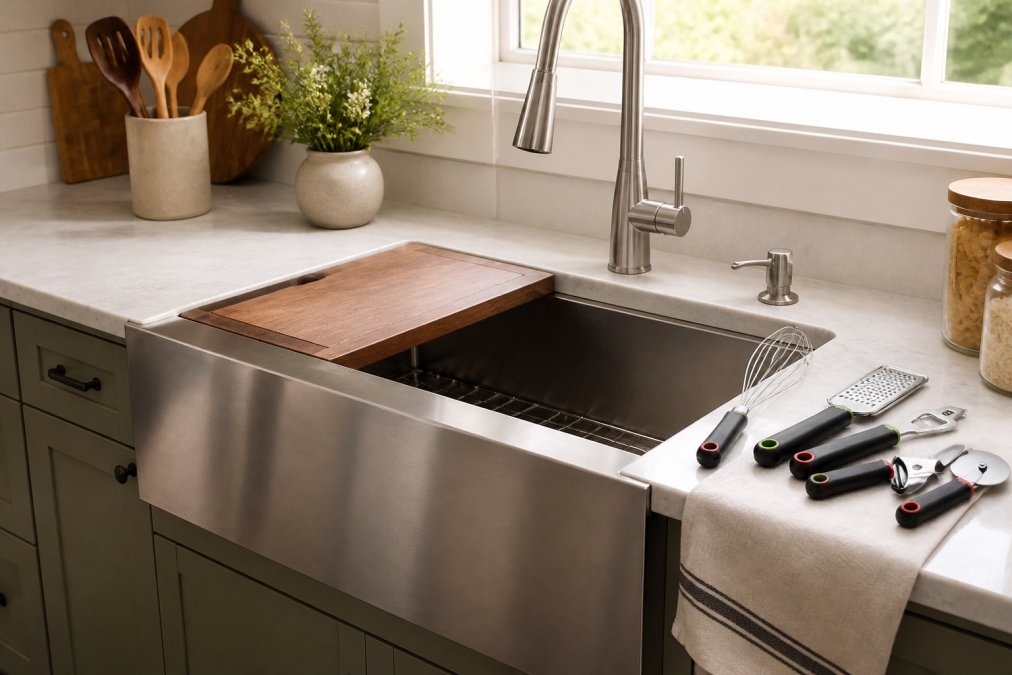
A kitchen sink with a reinforced ledge provides a functional work surface and structural support that extends the sink's lifespan. Pull-down spray faucets solve real problems like filling large pots and cleaning hard-to-reach areas. These aren't accidental features; they're the result of thoughtful design by people who understand how items will actually be used.
Quality over quantity in interior design means choosing fewer pieces made with genuine craftsmanship rather than filling space with disposable items. This approach creates cohesive interiors that feel intentional. Manufacturing processes matter significantly, items made using traditional methods or modern techniques emphasizing precision tend to outlast those made with cost-cutting shortcuts.
Where to Buy High Quality Lifestyle Products Online
CrispNest specializes in thoughtfully selected premium home, kitchen, beauty, fitness, and lifestyle products designed for durability and everyday practicality. The platform's curation approach means each product is evaluated for quality, functionality, and longevity before inclusion, differing fundamentally from marketplaces that list anything a seller submits.
When evaluating any online retailer for quality goods, examine their selection criteria and whether they highlight material specifications and durability features. CrispNest customers like Sophia W. noted that "the products are exactly as advertised" and "the quality exceeded my expectations", suggesting rigorous product selection.
Shipping reliability matters for quality goods, damage during transit defeats the purpose of buying durable items. Fast and reliable shipping ensures items arrive in perfect condition. Return policies and satisfaction guarantees provide protection when buying online. High-quality retailers provide multiple product images showing construction details and comprehensive specifications including dimensions, materials, certifications, and care instructions.
Customer reviews focusing on longevity matter more than initial impressions. Look for comments about how items hold up over months and years. Emily R.'s observation that products are "affordable without sacrificing quality" suggests real value.
The Lifecycle Cost Advantage
Understanding lifecycle costs transforms how you think about spending on home goods. This calculation includes purchase price, maintenance, repairs, replacement frequency, and eventual disposal or resale.
A kitchen faucet with pull-down spray functionality, like the professional model available at CrispNest, represents a lifecycle cost investment. The upfront price is higher than budget alternatives, but over 15-20 years of expected service life, you buy once, install once, and maintain minimally. Budget faucets require replacement every 3-5 years, multiplying installation costs and disruption.
Quality items require less frequent repairs and maintenance. A stainless steel sink resists staining and corrosion, requiring only basic cleaning. Lower-grade materials require special treatments or frequent repairs, accumulating significant maintenance costs over years.
An item lasting 20 years costs one-fifth as much per year as one lasting four years, even if the purchase price is double. A well-maintained quality piece also retains significant resale value if you upgrade, while fast furniture has essentially zero resale value. This difference improves the net cost of quality goods substantially.
Items lasting four times longer reduce manufacturing, shipping, and disposal impacts by 75%. Building a collection over time using this lifecycle cost framework means prioritizing fewer, better items, creating cohesive, intentional spaces while maximizing financial and environmental value.
Maintenance and Restoration: Extending the Life of Your Investments
Proper maintenance transforms theoretical durability into real longevity. Basic maintenance varies by material, stainless steel items need regular cleaning with mild soap and water, while wooden items like teak utensils require occasional conditioning with food-safe oils to maintain water resistance.
Understanding material-specific care prevents damage that shortens lifespan. Quality retailers like CrispNest provide care instructions with products, supporting long-term maintenance. A wooden utensil that develops minor cracks can be sanded smooth. A stainless steel sink showing water spots can be polished to original appearance. These restoration efforts cost far less than replacement and extend service life significantly.
Items maintained properly over generations become part of family history. A kitchen sink or utensil set used daily for 30-40 years develops emotional value alongside functional value. Minor repairs extend service life substantially, a leaking faucet valve can be replaced without replacing the entire fixture. Items designed for repair and maintenance provide superior lifetime value.
Simple seasonal practices like using trivets under hot items and drying items immediately after washing prevent premature wear. Keeping product manuals, warranty information, and care instructions ensures you maintain items correctly, treating home goods as investments worthy of attention.
The difference between a home filled with curated goods and one filled with fast furniture becomes obvious over time. Quality items integrate seamlessly into daily life, perform reliably, and age gracefully. CrispNest's thoughtfully selected collection of premium home, kitchen, and lifestyle products embodies this philosophy. With features like lead-free stainless steel construction, teak wood materials engineered for durability, and designs that prioritize functionality, these items deliver the performance and longevity that define true value. Start building your curated home by investing in pieces designed to last decades, not seasons. Add to cart and experience the difference quality makes.
| Aspect | Fast Furniture | Curated Home Goods |
|---|---|---|
| Expected Lifespan | 2-5 years | 15-30 years |
| Material Selection | Cost-driven | Performance-driven |
| Maintenance Needs | Frequent repairs | Minimal upkeep |
| Lifecycle Cost | High (frequent replacement) | Low (single purchase) |
| Environmental Impact | Significant (repeated manufacturing) | Minimal (extended use) |
| Resale Value | None | 30-50% of original price |
| Design Philosophy | Trend-following | Timeless aesthetics |
Federal Trade Commission guide on product durability standards
Consumer Reports testing methodology for product longevity
American Society for Testing and Materials standards for material durability
Frequently Asked Questions
Q: What defines a curated home and why does it matter?
A: A curated home contains intentionally selected pieces chosen for quality, durability, and aesthetic cohesion rather than impulse purchases. Curated home goods are picked for their ability to perform well over years, not seasons. This approach reduces waste, saves money long-term, and creates spaces that feel intentional rather than cluttered. The difference shows in both how items look and how long they actually last in daily use.
Q: How can you tell if a home good is built to last?
A: Look for solid materials like stainless steel, real wood, and natural fibers instead of plastic composites. Check the weight, heavier items typically indicate denser, more durable construction. Examine joints and seams for tight, consistent finishing. Research the brand's history and warranty length; companies confident in longevity offer extended guarantees. Read customer reviews specifically mentioning multi-year use. Items made with genuine craftsmanship tend to outlast mass-manufactured alternatives.
Q: Does investing in curated home goods actually save money compared to buying cheap alternatives?
A: Yes, significantly. A quality kitchen faucet or stainless steel sink costs more upfront but lasts 10-20 years versus 2-3 years for budget options. Calculate cost-per-use: a $172.64 faucet used daily for 15 years costs less than $0.04 per day, while replacing a $40 faucet every 2 years costs substantially more. Premium goods rarely need replacement, repair, or disposal costs associated with fast furniture. Over a decade, curated pieces consistently deliver better financial returns despite higher initial prices.
Q: What's the difference between fast furniture and quality decor?
A: Fast furniture prioritizes low cost and quick trends, using particle board, veneers, and weak joints designed for 2-3 years of use. Quality decor uses solid materials, superior construction, and timeless design meant to function for decades. Fast pieces end up in landfills; quality pieces appreciate or maintain value. Fast furniture often requires replacement within years; quality decor becomes heirloom-worthy. The environmental footprint of replacing cheap items repeatedly far exceeds the impact of buying durable goods once.
This article was written using GrandRanker


