
Table of Contents
- Start with the INCI List and Ingredient Order
- How to Read Skincare Labels Effectively
- Toxic Ingredients to Avoid in Skincare Products
- Key Active Ingredients That Deliver Results
- Using Skincare Ingredient Checker Tools
- Match Ingredients to Your Skin Type and Concerns
- Ingredient Synergy and What to Avoid Mixing
- Storage, Shelf Life, and Product Stability
- Frequently Asked Questions
Last Updated: September 3, 2026
Start with the INCI List and Ingredient Order
The INCI (International Nomenclature of Cosmetic Ingredients) list appears on every product label in descending order by concentration. This standardized, legally required list reveals exactly what you're buying, unlike unregulated marketing terms like "natural" or "clean."
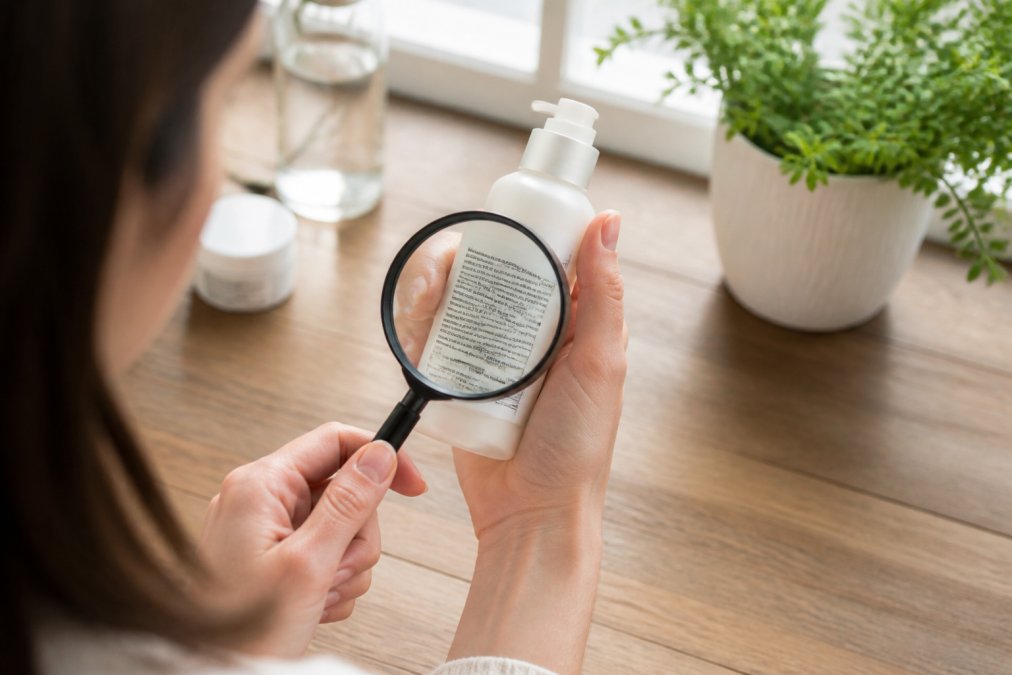
Why ingredient order matters
The first five ingredients comprise roughly 80% of the formula. If retinol appears 12th on the list, it's present in trace amounts too small to deliver meaningful results. Concentration determines efficacy: a product claiming to be "retinol-rich" but listing retinol far down the list contains minimal retinol. Your skin won't see visible change from insufficient amounts.
Concentration and the 1% rule
Ingredients below 1% concentration are often included for marketing purposes rather than functional benefit. Vitamin C at 0.5% won't brighten skin; Vitamin C at 10-20% will. This is why some products cost more: higher concentrations of effective actives require more expensive raw materials. Budget skincare often uses the same ingredient names but at concentrations too low to deliver results.
When you shop with CrispNest's curated beauty selection, each product has been evaluated for ingredient concentration and formulation integrity, ensuring you're getting meaningful active ingredients rather than marketing theater.
How to Read Skincare Labels Effectively
Reading skincare labels is a skill that transforms your purchasing power. The label contains three critical pieces of information: the INCI list, marketing claims, and regulatory statements.
Decoding percentages and active vs. inactive ingredients
Active ingredients produce measurable effects on skin: retinol, niacinamide, hyaluronic acid, peptides, and vitamin C. Inactive ingredients, water, glycerin, emollients, and preservatives, support the formula but don't directly treat skin concerns. Both matter, but understanding which is which helps you evaluate whether a product addresses your needs.
The INCI list doesn't specify percentages, but you can infer concentration from order. If a product lists "water, glycerin, niacinamide," the niacinamide is present in meaningful concentration. If it reads "water, glycerin, preservative blend, niacinamide," the niacinamide is likely minimal.
Preservatives prevent bacterial growth and maintain stability. A formula without preservatives will degrade or develop mold. Brands using "clean" marketing sometimes avoid effective preservatives, which means the product either spoils quickly or uses less-effective alternatives. This is a false economy.
Spotting misleading marketing claims
Marketing claims rarely match what the ingredient list supports. "Infused with collagen" sounds impressive until you realize collagen molecules are too large to penetrate skin. "Contains retinol" might mean 0.01%, not enough to cause visible change. "Dermatologist-tested" means a dermatologist tested it, not that it's clinically proven effective.
Red flags include vague terms like "natural," "clean," "pure," or "toxin-free", these have no regulatory meaning. Look for specific claims: "Contains 10% niacinamide," "pH-balanced at 5.5," "Clinically shown to reduce fine lines by 30% in 12 weeks." When evaluating products at CrispNest, we prioritize those with specific, measurable claims and transparent ingredient lists over aspirational language.
Toxic Ingredients to Avoid in Skincare Products
Some ingredients offer minimal benefit and carry higher irritancy potential. Understanding the difference prevents wasted money and skin damage.
Common irritants and their effects
Fragrance is the single most common irritant in skincare, causing contact dermatitis, sensitization, and barrier disruption. "Fragrance-free" products are safer for sensitive skin than "unscented" products, which may contain fragrance to mask other odors.
Essential oils sound natural but often cause irritation. Lavender, tea tree, and citrus oils are popular yet frequently trigger reactions. The problem isn't that they're "chemicals", all matter is chemical, but that essential oils contain volatile compounds that irritate sensitive skin.
Alcohol (ethanol) in high concentrations strips skin's natural oils and damages the barrier. If alcohol appears in the top five ingredients, it's present in irritating amounts, especially problematic for dry or sensitive skin.
Sulfates (sodium lauryl sulfate, sodium laureth sulfate) are harsh surfactants that strip natural oils. Gentler alternatives like sodium cocoyl isethionate perform similarly without irritation.
Preservatives and stabilizers: necessity vs. concern
Preservatives prevent bacterial and fungal growth, protecting your skin from infection. The concern isn't whether a product contains preservatives, it should, but which preservatives and at what concentration.
Parabens have been extensively studied and deemed safe by regulatory agencies at typical use levels. The controversy is largely marketing-driven rather than science-driven. If you prefer paraben-free formulations, alternatives exist, but "paraben-free" isn't inherently superior.
Formaldehyde releasers (like DMDM hydantoin) slowly release small amounts of formaldehyde as a preservative mechanism. For people with formaldehyde sensitivity, these cause reactions. For most people, the amounts are negligible.
The real concern is concentration. A well-formulated product uses just enough preservative to prevent spoilage. If a preservative appears early in the INCI list, it's present in higher concentration than necessary, suggesting poor formulation or a product prone to contamination.
Key Active Ingredients That Deliver Results
Understanding which active ingredients actually work separates effective skincare from expensive placebos.
Antioxidants, humectants, and emollients explained
Antioxidants neutralize free radicals that damage skin cells. Vitamin C, ferulic acid, resveratrol, and green tea extract are proven antioxidants that reduce visible signs of aging. Vitamin C is particularly effective but requires proper stabilization; unstable vitamin C oxidizes and loses potency.
Humectants draw moisture from the air into skin, plumping fine lines and improving hydration. Glycerin, hyaluronic acid, and propylene glycol are humectants. Hyaluronic acid holds up to 1000 times its weight in water, but only works if the air has sufficient humidity. In dry climates, humectants can draw moisture from deeper skin layers, worsening dryness. Using humectants with occlusive ingredients (emollients) prevents this.
Emollients soften and smooth skin by filling gaps between skin cells. Oils, butters, and silicones are emollients. They're essential for dry skin but can clog pores in acne-prone skin.
Retinoids, peptides, and exfoliants: what the research shows
Retinoids are derivatives of vitamin A and represent the gold standard for anti-aging. Prescription retinoids (tretinoin, adapalene) are most potent. Over-the-counter retinol and retinyl palmitate are weaker but still effective with consistent use. Retinoids work by increasing cell turnover and stimulating collagen production. Visible results take 8-12 weeks, and they cause initial irritation in most users. Starting low and building tolerance is essential.
Peptides are short chains of amino acids that signal skin to produce more collagen. They're less proven than retinoids but show promise in research. Peptides are gentler and don't cause irritation, making them suitable for sensitive skin.
Exfoliants remove dead skin cells, revealing smoother, brighter skin. Chemical exfoliants (AHAs like glycolic acid, BHAs like salicylic acid) dissolve the bonds holding dead cells. Chemical exfoliants are more effective and less irritating than physical ones when used correctly. Most skin types tolerate exfoliants 2-3 times weekly; sensitive skin once weekly.
| Active Ingredient | Primary Benefit | Concentration Range | Best For |
|---|---|---|---|
| Retinol | Anti-aging, collagen stimulation | 0.25-1% | Mature skin, fine lines |
| Vitamin C | Antioxidant, brightening | 10-20% | Dull, sun-damaged skin |
| Niacinamide | Pore refinement, barrier repair | 4-5% | Oily, sensitive skin |
| Hyaluronic Acid | Hydration, plumping | 0.5-2% | Dehydrated skin |
| Salicylic Acid | Acne treatment, exfoliation | 0.5-2% | Oily, acne-prone skin |
| Glycolic Acid | Exfoliation, brightening | 5-10% | Dull, textured skin |
Using Skincare Ingredient Checker Tools
Digital tools accelerate ingredient research. Apps and websites let you scan product barcodes or search by product name to instantly see ingredient breakdowns, potential irritants, and safety ratings.
These tools analyze the INCI list and flag ingredients based on databases of known irritants, allergens, and comedogenic substances. They're useful for quick reference but shouldn't replace your own judgment. A tool might flag an ingredient as "potentially irritating" based on theoretical risk, but if you've used it successfully for years, that flag is irrelevant to you.
The best tools provide ingredient explanations, not just warnings. They tell you what an ingredient does, why it's included, and at what concentration it becomes problematic. Use these tools to research before purchasing, not to diagnose skin reactions.
Match Ingredients to Your Skin Type and Concerns
The best skincare ingredient addresses your specific skin type and concerns. A hydrating serum helps dry skin but worsens oily skin. An exfoliating acid helps acne-prone skin but damages sensitive skin.
Identifying your skin barrier needs
Your skin barrier is the outermost layer that protects against water loss and external irritants. A compromised barrier causes sensitivity, irritation, and increased reactivity. Signs include tightness, flaking, redness, and stinging when applying products.
If your barrier is compromised, prioritize repair over treatment. Focus on ingredients that restore barrier function: ceramides, cholesterol, fatty acids, and niacinamide. Avoid actives like retinoids, exfoliants, and vitamin C until your barrier recovers, which takes 2-4 weeks. Building and maintaining barrier health is foundational skincare.
Patch testing before committing
Patch testing prevents allergic reactions and irritation. Apply a small amount of new product to a discrete area, inside your arm or behind your ear, and wait 24-48 hours. If no reaction occurs, introduce the product to your full routine slowly, using it every other day initially, then daily once your skin adapts.
This process is especially important with actives like retinoids and exfoliants, which cause irritation in most people initially. Patch testing distinguishes between normal adjustment irritation and genuine allergic reaction. Normal irritation improves with time and lower frequency. Allergic reactions worsen and spread.
Ingredient Synergy and What to Avoid Mixing
Some ingredients work better together; others conflict. Niacinamide and hyaluronic acid work well together, niacinamide strengthens the barrier while hyaluronic acid hydrates. Retinol and peptides complement each other: retinol stimulates collagen production while peptides signal for more.
Conflicting ingredients reduce efficacy or cause irritation. Vitamin C and niacinamide can conflict at certain pH levels. Retinoids and exfoliants together over-stress the skin barrier. Mixing multiple actives in one routine causes irritation and sensitivity.
The strategic approach is introducing one active at a time, allowing your skin to adapt, then adding another. Once you've established tolerance, some combinations work beautifully. Layering order matters: water-based products go on first, oils and butters last. Actives with lower pH (exfoliants, vitamin C) go on clean skin before other products. Retinoids go on clean, dry skin.
Storage, Shelf Life, and Product Stability
An excellent product becomes ineffective if stored improperly or used past its prime. Light-sensitive ingredients like vitamin C, retinoids, and some antioxidants degrade when exposed to light. These are typically packaged in opaque or amber bottles. Storing them in clear containers or on sunny shelves accelerates degradation.
Heat breaks down formulations, especially those with unstable actives. Storing skincare in bathrooms, warm, humid environments, degrades products faster than storing them in cool, dry places. A bedroom drawer is better than a bathroom cabinet.
The expiration date or "period after opening" (PAO) symbol indicates how long a product remains safe and effective after opening. A product marked "12M" should be used within 12 months of opening. After that, preservative systems may fail or actives degrade.
Signs a product has degraded include separation, discoloration, unusual odor, or texture changes. Discard degraded products. Proper storage extends product life and ensures you get the results you paid for.
Identifying high quality skincare ingredients transforms how you shop and what results you see. Once you develop the skill of reading INCI lists, researching actives, and understanding concentration, you immediately spot overpriced products with minimal actives and undervalued formulations with serious performance. At CrispNest, our curated beauty selection prioritizes products with transparent ingredient lists, meaningful active concentrations, and proven efficacy. When you shop with us, you're buying skincare that delivers measurable results, not marketing promises. Start by examining the INCI list on products you currently use. You'll likely discover why some work and others don't, and that knowledge becomes your competitive advantage in every future purchase.
Frequently Asked Questions
What is the best way to identify high quality skincare ingredients on a product label?
Check the INCI list first, ingredients are listed by concentration in descending order. Quality products list active ingredients high on the list and avoid excessive fillers. Look for specific percentages or ranges, especially for key actives like retinol or vitamin C. Avoid vague terms like 'botanical blend' that hide actual concentrations. Use skincare ingredient checker tools to verify each component's purpose and safety profile. Cross-reference with dermatologist-tested certifications and peer-reviewed research on the specific actives.
What are the most common toxic ingredients to avoid in skincare products?
Avoid parabens in high concentrations, formaldehyde releasers, phthalates, and certain synthetic fragrances that can irritate sensitive skin or disrupt the skin barrier. Alcohol denat (denatured alcohol) can be drying, while mineral oil and silicones may clog pores for some skin types. However, not all preservatives are harmful, some are necessary for product stability. The key is checking concentration and your individual skin sensitivity. Patch test any product with ingredients that concern you before full application.
How do ingredient order and concentration affect skincare product quality?
Ingredient order directly reflects concentration, the first five to eight ingredients make up roughly 80% of the formula. If an active ingredient like niacinamide appears near the end, its concentration may be too low to deliver benefits. The 1% rule suggests ingredients below 1% concentration are present mainly for marketing appeal. Quality products list actives prominently and specify percentages when possible. This transparency helps you assess whether a product will actually address your skin concerns or if you're paying for marketing hype.
How can I tell if a skincare product is genuinely high quality or just expensive marketing?
High-quality products back claims with clinical trials or peer-reviewed research, list specific ingredient percentages, and maintain transparent labeling. Avoid brands that use vague terms like 'proprietary blend' or make exaggerated claims without evidence. Check for dermatologist testing and hypoallergenic certifications. Real customer reviews mentioning specific results over time are more reliable than marketing language. Finally, quality doesn't always mean high price, affordable products can be effective if formulated well. Compare the actual ingredient profile and research, not just the brand name or packaging.
This article was written using GrandRanker


